



The Special Equipment Manufacturing License (TS Certification) is issued by the General Administration of Quality Supervision, Inspection and Quarantine of China (AQSIQ) to supervise the production, use, inspection and testing of special equipment. In order to ensure the safety of special equipment during production, installation, modification and use, China has strict laws and regulations on the management of these equipment.
What is special equipment?
Special equipment refers to eight types of equipment that pose a greater risk to personal safety and involve life safety, mainly including:
Boiler
Pressure vessel (including gas cylinder)
Pressure pipeline
Elevator
Hoisting machinery
Passenger ropeway
Large amusement facilities
Special vehicle (for use in the factory)
Because these equipment may affect the life safety of personnel or cause major safety accidents during use, the Chinese government conducts strict safety supervision and management on them to ensure their safety in all aspects.
Legal basis for special equipment manufacturing license
The safety management of special equipment relies on the legal document “Regulations on Safety Supervision of Special Equipment”, which makes detailed provisions on the design, manufacture, installation, use, inspection, maintenance and other aspects of special equipment. On June 29, 2013, the Standing Committee of the National People’s Congress passed the “Special Equipment Safety Law of the People’s Republic of China”, which clarified the safety supervision system of special equipment and the responsibilities of enterprises.
In addition, in November 2014, AQSIQ issued the revised “Special Equipment Catalog” and further clarified the classification and management requirements of special equipment.
Application scope of special equipment manufacturing license
Special equipment manufacturing license covers a wide range of equipment, including:
Manufacturing license for boilers and pressure vessels
Manufacturing license for pressure piping components
Manufacturing license for special vehicles in factories
Manufacturing license for passenger ropeways
Manufacturing license for large amusement facilities
Manufacturing license for lifting machinery
Manufacturing license for special equipment for elevators
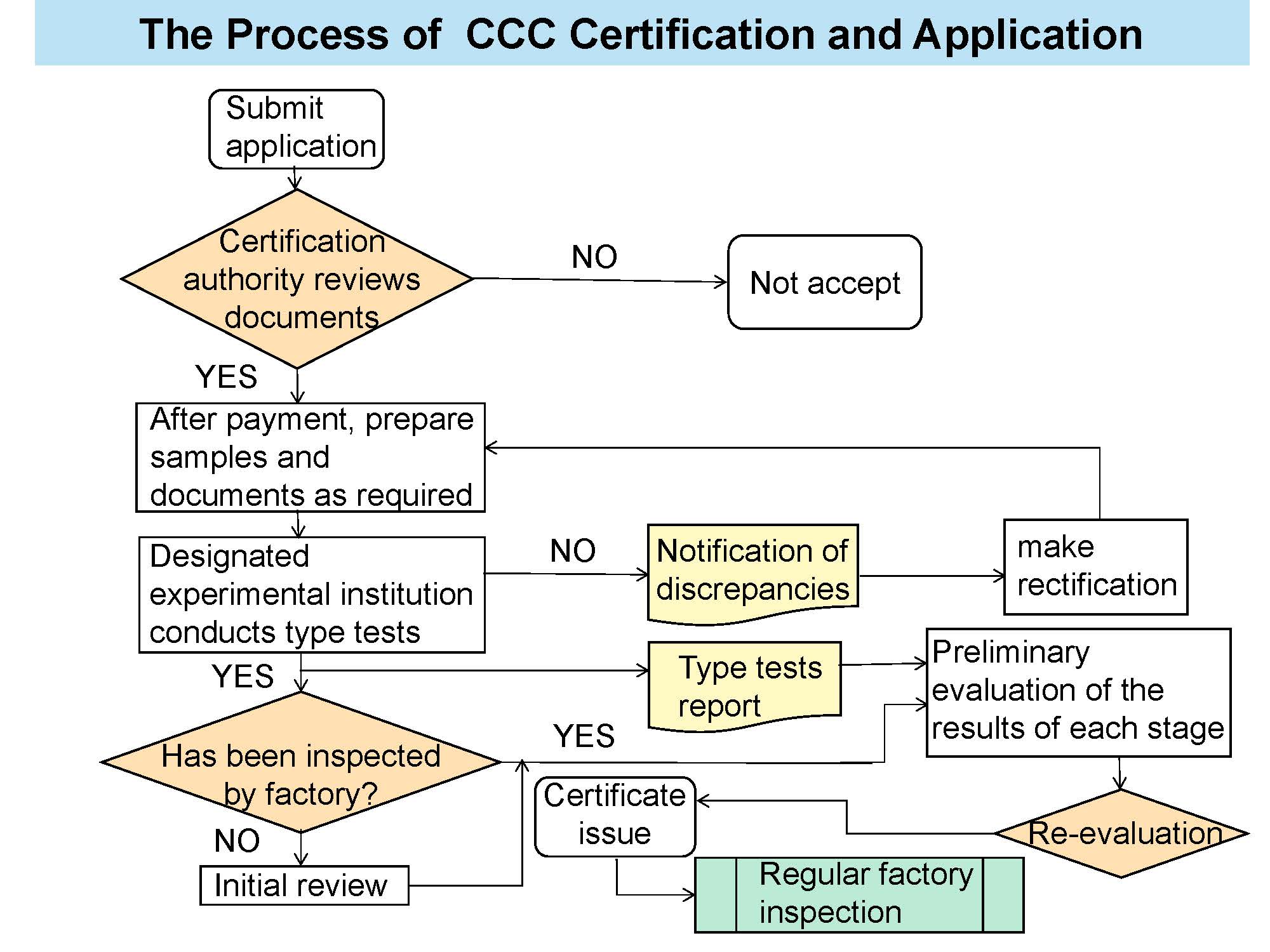
Application process for special equipment manufacturing license
The process of applying for a special equipment manufacturing license is relatively complicated. Enterprises need to submit relevant materials in accordance with regulations and pass the approval. The following are the main steps:
Prepare application materials
Enterprises need to prepare a series of application materials, including company qualification certificates, legality documents of production sites, qualifications of relevant technical personnel, detailed information on equipment and production processes, etc.
Preparation of quality manual and application documents
The enterprise needs to prepare a quality manual and conduct a detailed review of the application documents. These documents are the core materials in the application process and need to ensure that they comply with national standards and industry specifications.
Application pre-examination and factory review
After the enterprise submits the application, the relevant department will arrange a pre-examination and factory review of the enterprise. The pre-examination mainly checks the production capacity, technical capabilities and management level of the enterprise, and the factory review is an on-site inspection of the production site, production equipment and safety facilities.
Application review and approval
After the review is passed, the enterprise will obtain a special equipment manufacturing license. During this process, the reviewer will check whether the enterprise meets the relevant laws and regulations and standards to ensure that it has the ability to produce and manufacture special equipment.
Main requirements for applying for a special equipment manufacturing license
According to the requirements of the “Rules for the Production and Filling of Manufacturing Licenses for Special Equipment”, the applicant enterprise must have the following resources:
Personnel resources
The enterprise must be equipped with qualified management personnel, technical personnel, inspection personnel and operators, etc., to ensure that the personnel have the corresponding technical capabilities and qualifications.
Production sites and facilities
The applicant enterprise needs to have a site that meets the production requirements, including production workshops, office areas, warehouses, etc., and be equipped with necessary production equipment and testing instruments.
Technical documents and information
The enterprise needs to prepare relevant technical documents and information, including process documents, construction plans, inspection procedures, etc., which help to prove the technical capabilities and production specifications of the enterprise.
Production equipment that meets safety specifications
The enterprise needs to use production equipment and testing instruments that meet national safety technical specifications to ensure that there are no safety hazards during the production process.
Management system that complies with laws and regulations
The enterprise must also establish a sound safety management system to ensure compliance with all relevant laws and regulations, including the Special Equipment Safety Law and other industry standards.
The importance of special equipment manufacturing license
The special equipment manufacturing license is not only an important qualification for enterprises to legally engage in special equipment production, but also an important certificate for enterprises to enter the market and cooperate with customers. By obtaining this license, enterprises can prove that they have the ability to produce and manufacture safe and reliable equipment, enhance customer trust, and enhance market competitiveness. In addition, the acquisition of a special equipment manufacturing license also means that enterprises can enter a wider market, especially some industries with high safety standards, such as energy, chemicals and food processing.
Common Problems and Solutions
1. Which category does our equipment belong to?
During the application process, many companies are unclear about the classification of product categories. In order to ensure that the products meet the requirements of the special equipment manufacturing license, it is recommended that companies consult with relevant departments to ensure that their products can be correctly classified.
2. How long does it take to apply for a special equipment manufacturing license?
Depending on the company’s preparation, the application time for a special equipment manufacturing license is usually several months. Pre-examination, factory inspection and other links in the application process may affect the overall time. Therefore, it is recommended that companies prepare relevant materials in advance to reduce unnecessary time delays.
3. If the relevant license has been obtained, is it necessary to re-certify?
Due to the continuous changes in regulations and standards, companies may need to re-certify according to new legal requirements. It is recommended that companies regularly check relevant regulations and promptly consult regulatory authorities whether they need to renew their licenses.
Applying for a special equipment manufacturing license is a complex and rigorous process that requires companies to have solid technical strength, a compliant management system and sufficient production capacity. By understanding the application process, preparing relevant materials, and ensuring compliance with the requirements, companies can successfully obtain a special equipment manufacturing license and legally enter the field of special equipment production and market competition. During this process, professional consulting and support services can help companies complete applications more efficiently and smoothly, ensuring that they can operate in a safe and compliant environment.
