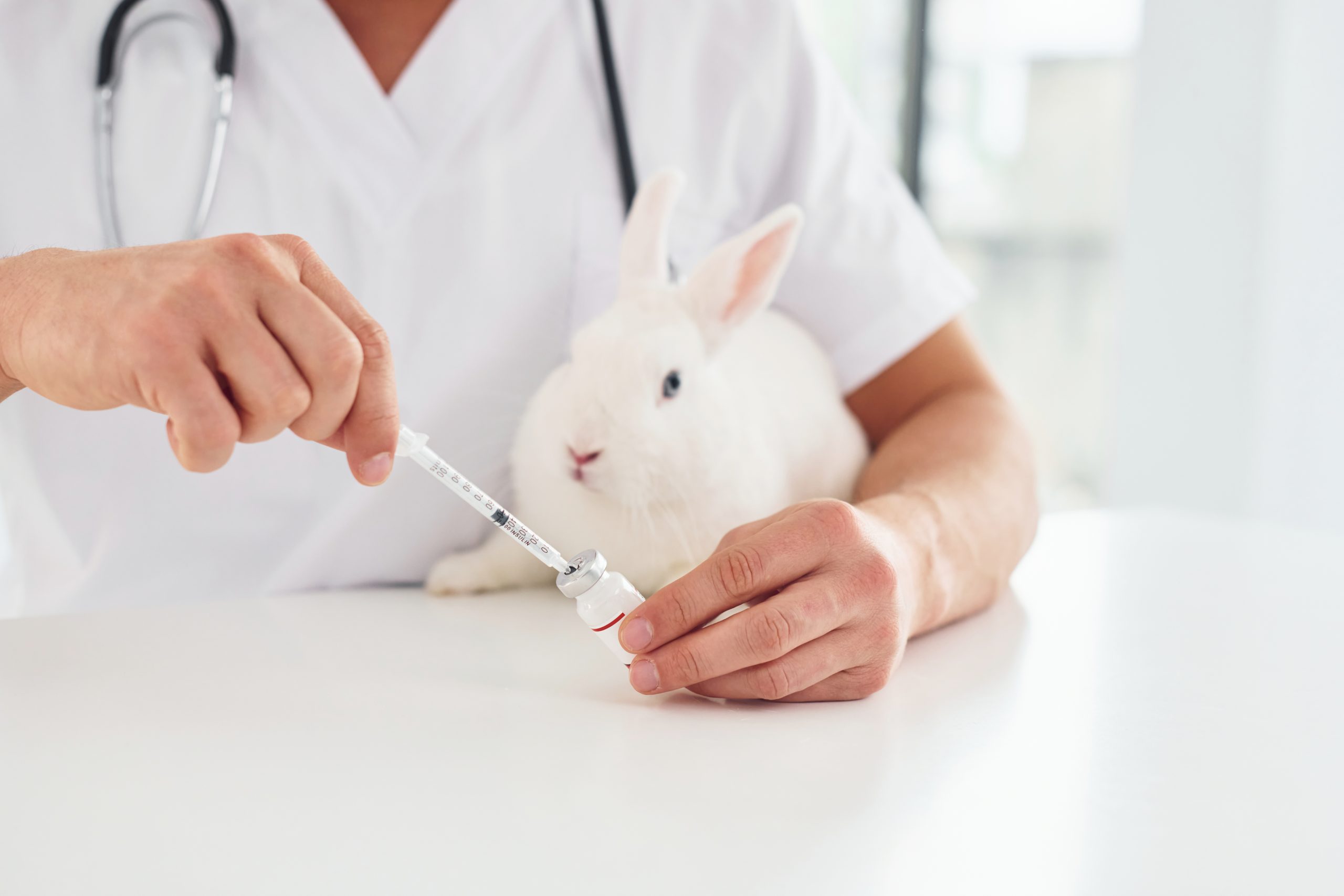
The veterinary diagnostic products (including reagents such as antigens and antibodies, nucleic acids, proteins, and tumor markers) industry is an important part of the veterinary drug industry. Veterinary diagnostic products are important tools for diagnosing and monitoring diseases. The veterinary diagnostic products industry is an important part of the veterinary drug industry. Veterinary diagnostic products are classified in various categories. According to the detection principle, diagnostic reagents are mainly divided into biochemical diagnostic reagents, immunodiagnostic reagents, molecular diagnostic reagents, microbial diagnostic reagents, urine diagnostic reagents, coagulation diagnostic reagents, hematology and flow cytometry diagnostic reagents. Among them, biochemical, immunological, and molecular diagnostic reagents are the three main categories.
Registration Information Items and Corresponding Descriptions
(1) General Information
- The name of the diagnostic product.
- Supporting documents
- Manufacturing and inspection trial procedures (draft), quality standards and their drafting instructions, standard operating procedures for each major inspection item.
- Instructions, inner packaging labels and packaging text samples. The instructions should state the purpose of the product scientifically and accurately.
(2) Research Data on Bacterial (Toxic, Insect) Species or Other Antigens Used for Production
- Source and properties, including research information such as source, serological properties, biological properties, and purity.
- Products that use synthetic peptides or expression products as antigens should provide a basis for antigen selection.
(3) Research Information on Hybridoma Cells for Production
- Source and properties, including research information on the establishment, identification and passage of hybridoma cells for production.
(4) Sources, Inspection Methods, Standards, Inspection Reports and Other Aspects of Main Raw and Auxiliary Materials
8. Enterprise standards should be established for raw and auxiliary materials such as cells, serum, nucleic acid materials, enzyme plates, enzymes, etc. used in production. If there are corresponding national standards, they should comply with national standards.
(5) Research Data of Production Process
- Research information about main manufacturing materials, components, formulas, process flow, production processes, etc.
(6) Research Materials Such as Preparation, Testing and Calibration of Quality Control Samples
10. Data on the research, preparation, inspection, calibration and other aspects of quality control samples used for finished product inspection.
(7) Product Quality Research Data
11. The product batch number, batch number, batch size, test leader and executor, test time and location used for each quality study.
12. Research data for the establishment of diagnostic methods and determination of optimal conditions.
13. Sensitivity study report.
14. Specificity study report.
15. Reproducibility and adaptability study reports.
16. Shelf life test reports for at least 3 batches of finished diagnostic products.
17. Compliance rate study report.
18. For in vivo diagnostic products, safety research reports on chemical residues and adverse reactions on target animals for three batches of products should be provided.
(8) Intermediate Trial Production Report
19.The pilot test of diagnostic products should be conducted in the applicant’s corresponding GMP production line, and the scale of the pilot test should not be less than 5 times of the clinical trial usage.
(9) Testing Status and Summary Report of Clinical Sample
20.Details of clinical trials that have been conducted should be reported in detail, including any trial data that did not meet expectations.
Q&A About Veterinary Diagnostic Reagents
- A7: If the shelf life test is still in progress when registering imported veterinary drugs, can I only submit the partial shelf life test report for application?
Q7: Currently it’s not allowed because products imported from abroad are registered products.
- A8: European diagnostic products can be distributed if they are not regulated as veterinary drugs. Can this distribution certificate be used as a free sales certificate?
Q8: It cannot be used as proof of free sale.
- A9: When submitting a clinical trial application, do I need to obtain GCP qualification?
Q9: When applying for clinical trials, it is not required that applicants obtain GCP qualifications, but when applying for registration, they must obtain GCP qualifications.
- A10: Do clinical trial institutions that conduct veterinary PCR kits need GCP qualifications?
Q10: There are no GCP requirements for clinical trial enterprises of veterinary diagnostic products, but the test content must comply with GCP requirements.
- A11: If a human contraceptive pill is to be used for cats, what veterinary drug will it be evaluated as?
Q11: It should register according to the veterinary drug registration classification.
- A12: Can products with conditional approval abroad apply for imported veterinary drug registration, or do they need to wait for official approval before applying for imported veterinary drug registration?
Q12: Since conditionally approved products need to provide data or information required by regulatory authorities after being put on the market and need to be re-evaluated, they cannot apply for imported veterinary drug registration until they are officially approved.
- A13: How to apply for switching to domestic production for a product that has obtained an imported veterinary drug registration certificate?
Q13: Apply for a document number in accordance with the relevant requirements of the “Approval Document Number Management Measures”.